Trending...
- Memelinked Social Media powered by cryptocurrency launching July 2026
- Soda Spoon Marketing Brings Full-Service Digital Marketing to Akron and Greater Northeast Ohio
- Lighthouse Tech Awards Recognize Top HR Technology Providers for 2026
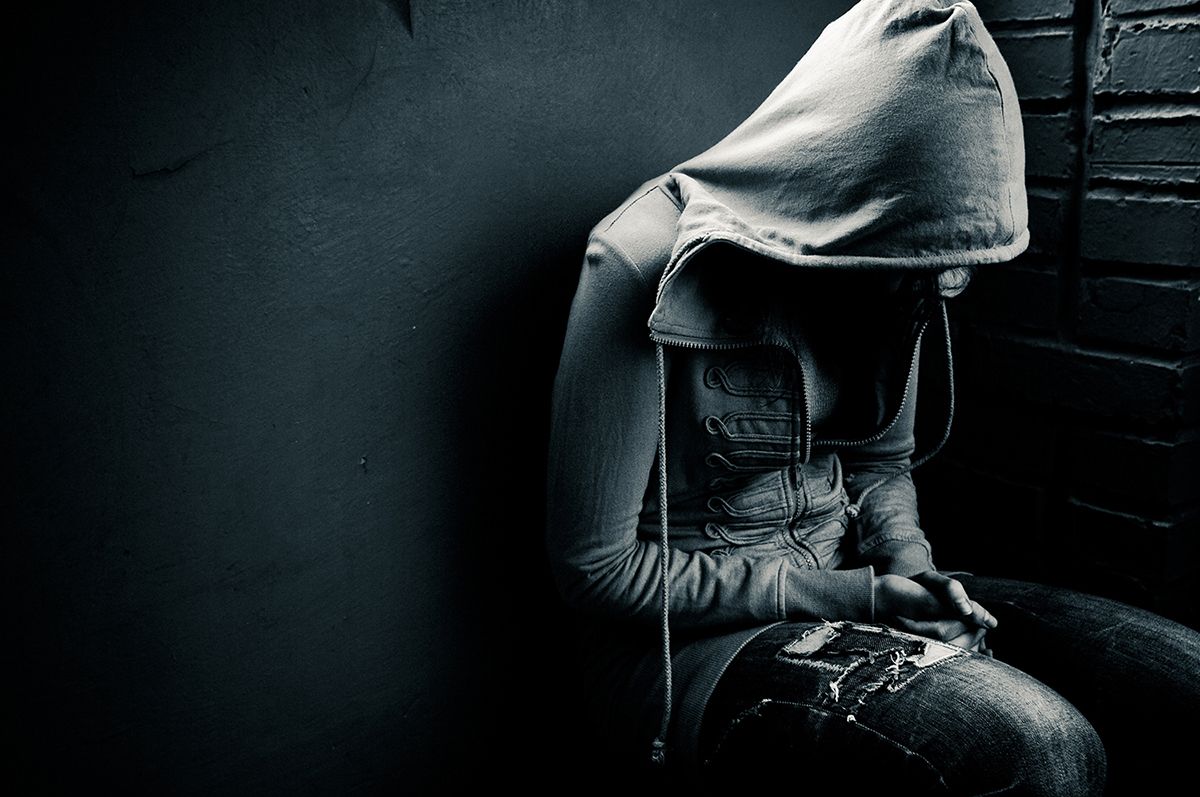
New report cites abuse, deaths, fraud, and systemic regulatory failure; backs Senate BRIDGES for Kids Act
LOS ANGELES - OhioPen -- By CCHR International
A sweeping new white paper released by the Citizens Commission on Human Rights International (CCHR) warns lawmakers that abuse, neglect, preventable deaths, and fraud remain endemic in the troubled teen treatment industry and for-profit psychiatric hospitals, despite years of warnings, litigation, and media investigations.
The report calls for mandatory transparency, automatic enforcement triggers, criminal accountability, and the withdrawal of public funding from facilities that harm children and vulnerable adults—arguing that reform without enforcement has repeatedly failed.
CCHR welcomed the recent introduction of the BRIDGES for Kids Act, sponsored by U.S. Senator Ron Wyden, describing the legislation as "long overdue" after decades of documented abuse across residential treatment centers and psychiatric hospitals.[1]
"The evidence is overwhelming," said Jan Eastgate, president of CCHR International. "This is not a problem of a few bad actors. It is a systemic psychiatric failure driven by a profit-based institutional model that has operated with minimal oversight and little accountability, and often at taxpayer expense."
The BRIDGES for Kids Act would require the U.S. Department of Health and Human Services to establish a national, publicly accessible dashboard disclosing inspection results, restraint and seclusion use, staffing levels, licensing status, and serious complaints. States would be required to respond to critical complaints within 48 hours and initiate investigations when violations are identified.
CCHR's white paper documents why such measures are needed: up to 45% of inpatient mental health patients reported experiencing sexual violence during admission.[2] Separately, the Joint Commission reported a 77% increase in hospital assault incidents over two years, with nearly half involving sexual assault.[3]
"These are not isolated incidents," Eastgate states. "They reflect a regulatory vacuum in which abuse becomes predictable rather than exceptional."
The white paper highlights escalating litigation and criminal prosecutions involving some of the nation's largest for-profit psychiatric hospital chains.
More on Ohio Pen
In January 2026, a Pennsylvania court ordered a trial to proceed against a former employee at one facility, charged with felony child endangerment and aggravated assault following an alleged assault captured on surveillance video.[4]
In Illinois and Virginia, juries returned awards totaling hundreds of millions of dollars to patients sexually abused in for-profit psychiatric hospitals, citing chronic understaffing, inadequate supervision, and cost-cutting practices that placed children at extreme risk.
"From a fiduciary standpoint, these companies and psychiatrists treating children and teens represent extraordinary legal and reputational risk," Eastgate explained. "From an ethical standpoint, no level of profit justifies investment in behavioral institutions repeatedly linked to child abuse."
CCHR's report devotes substantial attention to other major for-profit operators that were scrutinized in a 2024 U.S. Senate investigation titled Warehouses of Neglect, which concluded that abuse in youth residential treatment facilities occurs "inevitably and by design" due to a business model that treats children as revenue streams.[5]
Since then, one major chain has faced facility closures following allegations of sexual assault, and enforcement actions by the U.S. Securities and Exchange Commission and Department of Justice. Investigations by The New York Times detailed alleged overbilling, falsified records, and coercive confinement to maximize insurance reimbursement.[6]
Despite these findings, CCHR's report notes that more than 70% of one hospital chain's revenue continues to come from Medicaid and Medicare.
Beyond individual cases, CCHR's report identifies what it calls the underlying source of the crisis: a psychiatric system that offers no scientifically demonstrable cures and instead relies on prolonged institutionalization, behavioral control, and drug-centered management. "When treatment does not resolve illness, facilities profit by extending confinement—not by achieving recovery," the report states. "In for-profit settings, this creates incentives for understaffing, coercion, and neglect. Abuse is not aberrational; it is structural."
The white paper concludes with a call for immediate legislative and regulatory action:
NBC News reported that if enacted, the BRIDGES for Kids Act would direct federal investigators to examine how often states send children across state lines to facilities with documented abuse histories. "Decades of evidence show that voluntary compliance does not work," CCHR said.
More on Ohio Pen
The group, which was established in 1969 by the Church of Scientology and professor of psychiatry, Dr. Thomas Szasz, also concludes: "Without enforceable standards, real penalties, and the withdrawal of public funding, abuse will continue. Legislators now have the evidence—and the responsibility—to act."
Sources:
[1] Tyler Kingkade, "Senate bill aims to expose abuse at residential treatment centers for children," NBC News, 18 Dec. 2025, www.nbcnews.com/news/us-news/senate-bill-abuse-residential-treatment-facilities-rcna249636; "New Senate Bill Targets 'Troubled Teen' Industry and Residential Treatment Abuse," MindSite News, 7 Jan. 2026, mindsitenews.org/2026/01/07/new-senate-bill-targets-troubled-teen-industry-and-residential-treatment-abuse/
[2] Holly Betterly, et al., "Sexual assault in the inpatient psychiatric setting," General Hospital Psychiatry, Vol. 82, May–June 2023, www.sciencedirect.com/science/article/abs/pii/S0163834323000270
[3] Gretchen Morgenson, "Lean staffing, lax hiring, training flaws: Why sexual assaults at hospitals are up," NBC News, 18 Nov. 2024, www.nbcnews.com/health/health-care/lean-staffing-lax-hiring-training-flaws-assaults-hospitals-are-rcna171055
[4] "Charges held for trial for behavioral health worker accused of assaulting juvenile," North Penn Now, 7 Jan. 2026, northpennnow.com/news/2026/jan/07/charges-held-for-trial-for-behavioral-health-worker-accused-of-assaulting-juvenile/
[5] Chris Larson, "Senate Finance Committee Releases Excoriating Investigation of Abuse in At-Risk Youth Industry," Behavioral Health Business, 12 June 2024, bhbusiness.com/2024/06/12/senate-finance-committee-releases-excoriating-investigation-of-abuse-in-at-risk-youth-industry/
[6] "US SEC hits 7 public companies with penalties for violating whistleblower protections," U.S. Securities and Exchange Commission, 9 Sept. 2024, www.sec.gov/newsroom/press-releases/2024-118; Acadia Healthcare Company Inc. to Pay $19.85M to Settle Allegations Relating to Medically Unnecessary Inpatient Behavioral Health Services," Dept. of Justice, 26 Sept. 2024, www.justice.gov/archives/opa/pr/acadia-healthcare-company-inc-pay-1985m-settle-allegations-relating-medically-unnecessary; Jessica Silver-Greenberg and Katie Thomas, "Suicides... at a Prized Mental Health Center," The New York Times, 22 Apr. 2025
A sweeping new white paper released by the Citizens Commission on Human Rights International (CCHR) warns lawmakers that abuse, neglect, preventable deaths, and fraud remain endemic in the troubled teen treatment industry and for-profit psychiatric hospitals, despite years of warnings, litigation, and media investigations.
The report calls for mandatory transparency, automatic enforcement triggers, criminal accountability, and the withdrawal of public funding from facilities that harm children and vulnerable adults—arguing that reform without enforcement has repeatedly failed.
CCHR welcomed the recent introduction of the BRIDGES for Kids Act, sponsored by U.S. Senator Ron Wyden, describing the legislation as "long overdue" after decades of documented abuse across residential treatment centers and psychiatric hospitals.[1]
"The evidence is overwhelming," said Jan Eastgate, president of CCHR International. "This is not a problem of a few bad actors. It is a systemic psychiatric failure driven by a profit-based institutional model that has operated with minimal oversight and little accountability, and often at taxpayer expense."
The BRIDGES for Kids Act would require the U.S. Department of Health and Human Services to establish a national, publicly accessible dashboard disclosing inspection results, restraint and seclusion use, staffing levels, licensing status, and serious complaints. States would be required to respond to critical complaints within 48 hours and initiate investigations when violations are identified.
CCHR's white paper documents why such measures are needed: up to 45% of inpatient mental health patients reported experiencing sexual violence during admission.[2] Separately, the Joint Commission reported a 77% increase in hospital assault incidents over two years, with nearly half involving sexual assault.[3]
"These are not isolated incidents," Eastgate states. "They reflect a regulatory vacuum in which abuse becomes predictable rather than exceptional."
The white paper highlights escalating litigation and criminal prosecutions involving some of the nation's largest for-profit psychiatric hospital chains.
More on Ohio Pen
- Crystal Smith & Co. Empowers Founders to Build Profitable, Purpose-Driven Businesses
- Buildout Launches CRM, Completing the Industry's First AI-Powered End-to-End Deal Engine for CRE
- Energywise Solutions and Pickleball Pros Partner to Bring More Energy and Visibility to Pickleball Clubs
- The Franchise King® Releases Free Guide for Nervous Buyers
- Kanguro Insurance Taps Paylode to Launch Best-in-Class Pet and Renters Insurance Rewards Experience
In January 2026, a Pennsylvania court ordered a trial to proceed against a former employee at one facility, charged with felony child endangerment and aggravated assault following an alleged assault captured on surveillance video.[4]
In Illinois and Virginia, juries returned awards totaling hundreds of millions of dollars to patients sexually abused in for-profit psychiatric hospitals, citing chronic understaffing, inadequate supervision, and cost-cutting practices that placed children at extreme risk.
"From a fiduciary standpoint, these companies and psychiatrists treating children and teens represent extraordinary legal and reputational risk," Eastgate explained. "From an ethical standpoint, no level of profit justifies investment in behavioral institutions repeatedly linked to child abuse."
CCHR's report devotes substantial attention to other major for-profit operators that were scrutinized in a 2024 U.S. Senate investigation titled Warehouses of Neglect, which concluded that abuse in youth residential treatment facilities occurs "inevitably and by design" due to a business model that treats children as revenue streams.[5]
Since then, one major chain has faced facility closures following allegations of sexual assault, and enforcement actions by the U.S. Securities and Exchange Commission and Department of Justice. Investigations by The New York Times detailed alleged overbilling, falsified records, and coercive confinement to maximize insurance reimbursement.[6]
Despite these findings, CCHR's report notes that more than 70% of one hospital chain's revenue continues to come from Medicaid and Medicare.
Beyond individual cases, CCHR's report identifies what it calls the underlying source of the crisis: a psychiatric system that offers no scientifically demonstrable cures and instead relies on prolonged institutionalization, behavioral control, and drug-centered management. "When treatment does not resolve illness, facilities profit by extending confinement—not by achieving recovery," the report states. "In for-profit settings, this creates incentives for understaffing, coercion, and neglect. Abuse is not aberrational; it is structural."
The white paper concludes with a call for immediate legislative and regulatory action:
- Mandatory transparency, including national reporting of restraints, seclusion, injuries, deaths, staffing, and ownership structures
- Automatic enforcement triggers, including license suspension or closure following credible allegations of serious harm
- Criminal and civil accountability, including individual liability for executives and clinicians where systemic abuse is documented
- Elimination of seclusion and mechanical restraint, consistent with calls from medical and human rights experts
- Federal investigations by the GAO and HHS Office of Inspector General into marketing practices and billing incentives.
NBC News reported that if enacted, the BRIDGES for Kids Act would direct federal investigators to examine how often states send children across state lines to facilities with documented abuse histories. "Decades of evidence show that voluntary compliance does not work," CCHR said.
More on Ohio Pen
- CCHR: CIA Mind-Control Files Raise Urgent Questions as Millions Take Psychotropic Drugs
- NRx Pharmaceuticals Launches Breakthrough One-Day Treatment Clinic in Florida as FDA Pathway and Clinical Data Strengthen Growth Outlook; $NRXP
- Revenue Optics Launches Talent Infrastructure Platform for SaaS Revenue Hiring and Appoints Sabz Kaur to Lead Growth
- Building a Multi-Domain Autonomous Systems Platform at the Intersection of AI, Defense and Infrastructure: VisionWave Holdings (N A S D A Q: VWAV)
- Bent Danholm Named "Top Luxury Real Estate Leader" in Modern Luxury Miami
The group, which was established in 1969 by the Church of Scientology and professor of psychiatry, Dr. Thomas Szasz, also concludes: "Without enforceable standards, real penalties, and the withdrawal of public funding, abuse will continue. Legislators now have the evidence—and the responsibility—to act."
Sources:
[1] Tyler Kingkade, "Senate bill aims to expose abuse at residential treatment centers for children," NBC News, 18 Dec. 2025, www.nbcnews.com/news/us-news/senate-bill-abuse-residential-treatment-facilities-rcna249636; "New Senate Bill Targets 'Troubled Teen' Industry and Residential Treatment Abuse," MindSite News, 7 Jan. 2026, mindsitenews.org/2026/01/07/new-senate-bill-targets-troubled-teen-industry-and-residential-treatment-abuse/
[2] Holly Betterly, et al., "Sexual assault in the inpatient psychiatric setting," General Hospital Psychiatry, Vol. 82, May–June 2023, www.sciencedirect.com/science/article/abs/pii/S0163834323000270
[3] Gretchen Morgenson, "Lean staffing, lax hiring, training flaws: Why sexual assaults at hospitals are up," NBC News, 18 Nov. 2024, www.nbcnews.com/health/health-care/lean-staffing-lax-hiring-training-flaws-assaults-hospitals-are-rcna171055
[4] "Charges held for trial for behavioral health worker accused of assaulting juvenile," North Penn Now, 7 Jan. 2026, northpennnow.com/news/2026/jan/07/charges-held-for-trial-for-behavioral-health-worker-accused-of-assaulting-juvenile/
[5] Chris Larson, "Senate Finance Committee Releases Excoriating Investigation of Abuse in At-Risk Youth Industry," Behavioral Health Business, 12 June 2024, bhbusiness.com/2024/06/12/senate-finance-committee-releases-excoriating-investigation-of-abuse-in-at-risk-youth-industry/
[6] "US SEC hits 7 public companies with penalties for violating whistleblower protections," U.S. Securities and Exchange Commission, 9 Sept. 2024, www.sec.gov/newsroom/press-releases/2024-118; Acadia Healthcare Company Inc. to Pay $19.85M to Settle Allegations Relating to Medically Unnecessary Inpatient Behavioral Health Services," Dept. of Justice, 26 Sept. 2024, www.justice.gov/archives/opa/pr/acadia-healthcare-company-inc-pay-1985m-settle-allegations-relating-medically-unnecessary; Jessica Silver-Greenberg and Katie Thomas, "Suicides... at a Prized Mental Health Center," The New York Times, 22 Apr. 2025
Source: Citizens Commission on Human Rights International
0 Comments
Latest on Ohio Pen
- 13 Full Moons of Black Dandelion Convergent Voice™ An Integration of Literacy & Wellness Symposium
- Yoga Retreats, Ecstatic Dance & Spiritual App launched
- Elder Abuse Case Against Healthy Traditions Owner Raises Questions As To The Dire Reality Of Abuse Against The Last Of The Baby Boomers
- Simpalm Staffing Services Launched its Refreshed Website for Remote Staffing Services
- Hold on Tight, Spider Monkey… FAN EXPO Cleveland Announces Screening of Twilight on March 14
- Wayne Homes Empowers Homebuyers with Free Interactive Floor Plan Builder
- Claude Riveloux Review 2026: How the $10B Fund Manager Dispels 'Scam' Rumors Through Education
- Pure Energy Electrical Services, LLC Announces Strong Start to 2026, Reinforcing Customer-First Electrical Service Across Northeast Florida
- Danholm Collection Launches Boutique Luxury Real Estate Brokerage in Central Florida
- Sellvia Market Expands Curated Store Portfolio for Dropshipping Sellers
- Food Journal Magazine Raises the Standard for Restaurant Reviews in Los Angeles
- Soda Spoon Marketing Brings Full-Service Digital Marketing to Akron and Greater Northeast Ohio
- Edessa School of Fashion and (DE FI) Global INC Event Reaches Capacity in Dayton, New Session Added
- Williamsville Spa Expands Team to Meet Growing Demand for Professional Facials
- Pregis Expands Wind Energy Use, Advancing Progress Toward Net Zero by 2040
- Dr. Sheel Desai Solomon and Preston Dermatology Continue Awards Streak with Top Honors in 2026 Maggy Awards
- Jack and Sage Acquires Sustainable Apparel Brand Kastlfel, Expanding Premium Logo Wear Across National Parks and Ski Resorts
- Christensen, Shatner, Marsters QAs, Local Sessions Highlight FAN EXPO Cleveland Panel Programming
- Cancun International Airport Prepares for Record Travel Surge Ahead of Spring Break, Summer, and the 2026 High Season
- $167 Billion Pharma R&D Market Largely Untapped by AI Creates Major Growth Runway for KALA Bios Data-Sovereign AI Strategy: N A S D A Q: KALA